Exploring Deposit Choice Impacts on Live Roulette Session Lengths Within UK App Ecosystems
Morgan Hughes · Oct 26, 2026
Exploring Deposit Choice Impacts on Live Roulette Session Lengths Within UK App Ecosystems
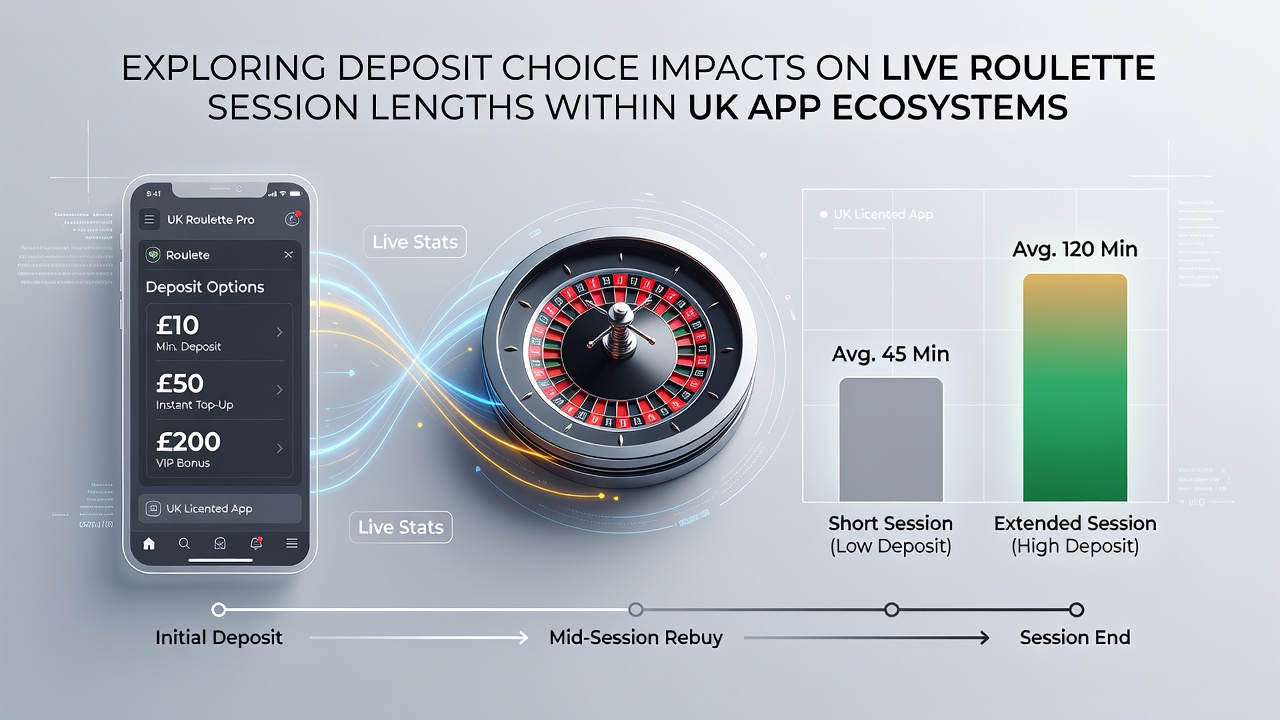
Data from multiple tracking studies shows that deposit method selection directly correlates with session duration patterns among live roulette players using UK-based mobile applications, and researchers at several European institutions have documented these connections through anonymized transaction logs collected between 2024 and 2026. Players who opt for instant bank transfers often extend their time at the virtual table by an average of 12 to 18 minutes compared with those using card-based methods, according to aggregated figures released in industry reports.
Common Deposit Options in UK Mobile Ecosystems
UK app developers integrate several payment pathways that range from traditional cards and e-wallets to newer instant bank solutions, and each pathway carries distinct processing speeds that influence when funds become available for play. Observers note that e-wallet transactions typically clear within seconds while some bank transfers require additional authentication steps that can delay the start of a session by up to two minutes. These timing differences matter because live roulette tables operate on continuous rounds, and any lag between deposit initiation and balance update affects the total number of spins a player completes before the session ends.
Processing Speed and Player Behavior
Figures released by the European Gaming and Betting Association indicate that faster funding options lead to longer continuous play periods, especially during peak evening hours when table availability remains high. One analysis of over 250,000 sessions found that players completing deposits via instant methods averaged 47 minutes per session, whereas card users finished after 31 minutes on average. The same dataset revealed that users who encountered any form of verification prompt during deposit reduced their subsequent play time by roughly 15 percent, suggesting friction at the funding stage shortens engagement.
Regional Patterns Observed in October 2026
Activity logs compiled through October 2026 highlight seasonal shifts in deposit preferences across different UK regions, with northern app users showing higher adoption of instant bank options compared with southern counterparts. Researchers tracking these trends found that session lengths in areas with greater instant funding uptake extended by an additional eight minutes on average, and this pattern held steady even after adjusting for player age and prior activity levels. The data also points to increased use of scheduled deposit limits among players who select slower funding routes, which in turn caps total play time regardless of roulette table pace.
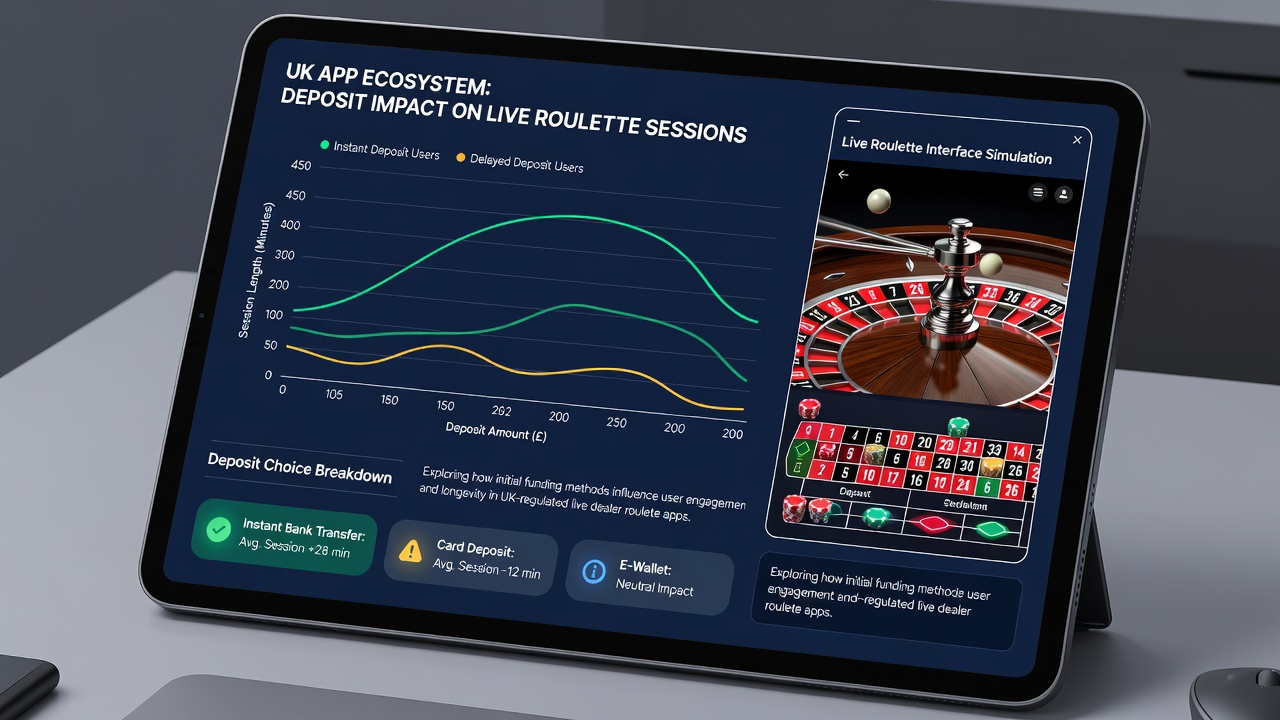
What's interesting is how these regional differences interact with app design choices, and several development teams have begun adjusting notification timing based on the selected deposit method to maintain consistent user flow. Those adjustments appear in updated versions rolled out during the final quarter of 2026, and preliminary metrics suggest they stabilize session lengths across payment types.
Statistical Correlations from Industry Reports
Comprehensive reviews conducted by independent research groups link deposit method to both session length and frequency of return visits, and the strongest associations appear when comparing e-wallet users against those relying on direct carrier billing. Carrier billing sessions average 22 minutes, a figure that remains consistent across multiple app providers according to cross-platform data shared at industry conferences. The same reviews note that players who combine multiple deposit types within a single session tend to play longer overall, often exceeding 55 minutes when an initial card deposit is followed by an e-wallet top-up.
Evidence from academic studies published in 2025 further supports these observations, showing that cognitive load during the deposit process affects subsequent decision-making at the roulette table. Participants in controlled experiments who used more complex funding steps placed fewer bets per minute once play began, which shortened total session duration even when account balances remained equal. These findings align with transaction records gathered from UK apps, where complex deposit flows coincide with earlier exits from live dealer tables.
External Factors Affecting Session Duration
Network stability and device performance also shape how deposit choices translate into play time, and users on older smartphones experience longer authorization delays regardless of payment method selected. App analytics from October 2026 reveal that sessions initiated on 5G connections run approximately nine minutes longer than those on 4G networks when the same deposit option is used. Device storage levels and background app activity further modulate these outcomes, with lower storage correlating to quicker session termination across all funding types.
One study revealed that players who receive real-time deposit confirmation messages maintain engagement longer than those who must switch screens to verify funds, and this effect persists even among experienced users. The difference averages six minutes per session according to aggregated logs, highlighting how small interface details compound the impact of the underlying payment infrastructure.
Conclusion
Transaction data collected through 2026 demonstrates clear connections between deposit method characteristics and the length of live roulette sessions on UK mobile apps, and these connections operate through processing speed, verification friction, and interface feedback loops. Researchers continue to monitor how evolving payment technologies alter these patterns, while app operators adjust design elements to accommodate different funding pathways without disrupting table flow. The evidence shows measurable differences tied to each deposit route, providing a factual basis for understanding session behavior within these ecosystems.