Tracking How Haptic Feedback in App Interfaces Shapes Betting Pace During Live Dealer Blackjack Rounds on Regulated Wireless Systems
Olivia Brooks · Oct 27, 2026
Tracking How Haptic Feedback in App Interfaces Shapes Betting Pace During Live Dealer Blackjack Rounds on Regulated Wireless Systems
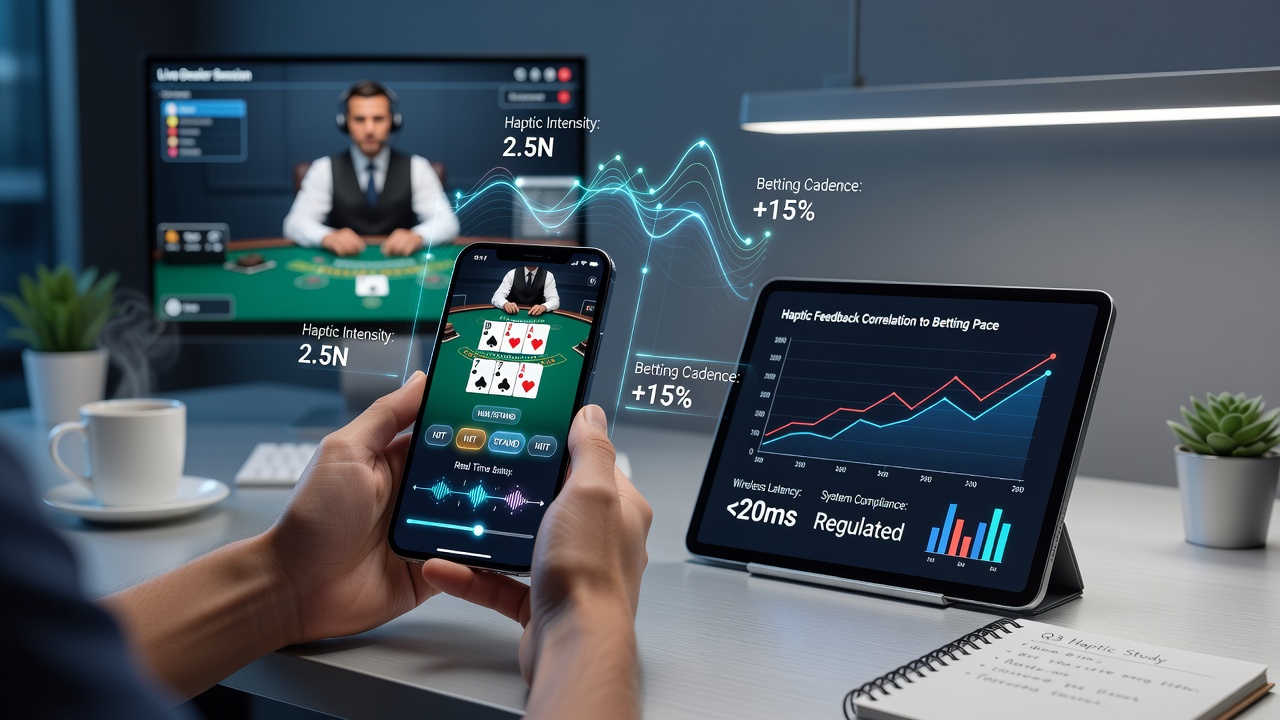
Regulated wireless platforms deliver live dealer blackjack through interfaces that incorporate haptic feedback to signal game events, and observers note how these vibrations interact with betting decisions across sessions. Research from academic institutions in North America indicates that tactile cues arrive at precise moments such as card reveals or wager confirmations, while data from the Nevada Gaming Control Board shows patterns in session timing on mobile networks. Those who analyze player logs find that the feedback loops connect directly to the rhythm of place bets and hit or stand choices during real-time rounds.
Mechanics of Haptic Integration in Blackjack Apps
Wireless systems on regulated networks transmit haptic signals through device actuators that pulse in sync with dealer actions, and developers calibrate these responses to match the pace of shuffled decks and community cards. Studies conducted at the University of Nevada Las Vegas reveal that short bursts occur when the interface registers a wager amount, whereas longer vibrations accompany confirmation of insurance or double-down selections. The integration relies on low-latency connections that maintain synchronization between the live video feed and the physical sensations felt on the screen.
Engineers adjust intensity levels according to regulatory standards that govern user interface design, and figures from industry reports demonstrate consistent application across multiple device models. Observers who review session recordings note that players encounter these cues repeatedly during each hand, creating a layered experience that overlays visual and auditory elements with tactile input.
Data Patterns in Betting Intervals
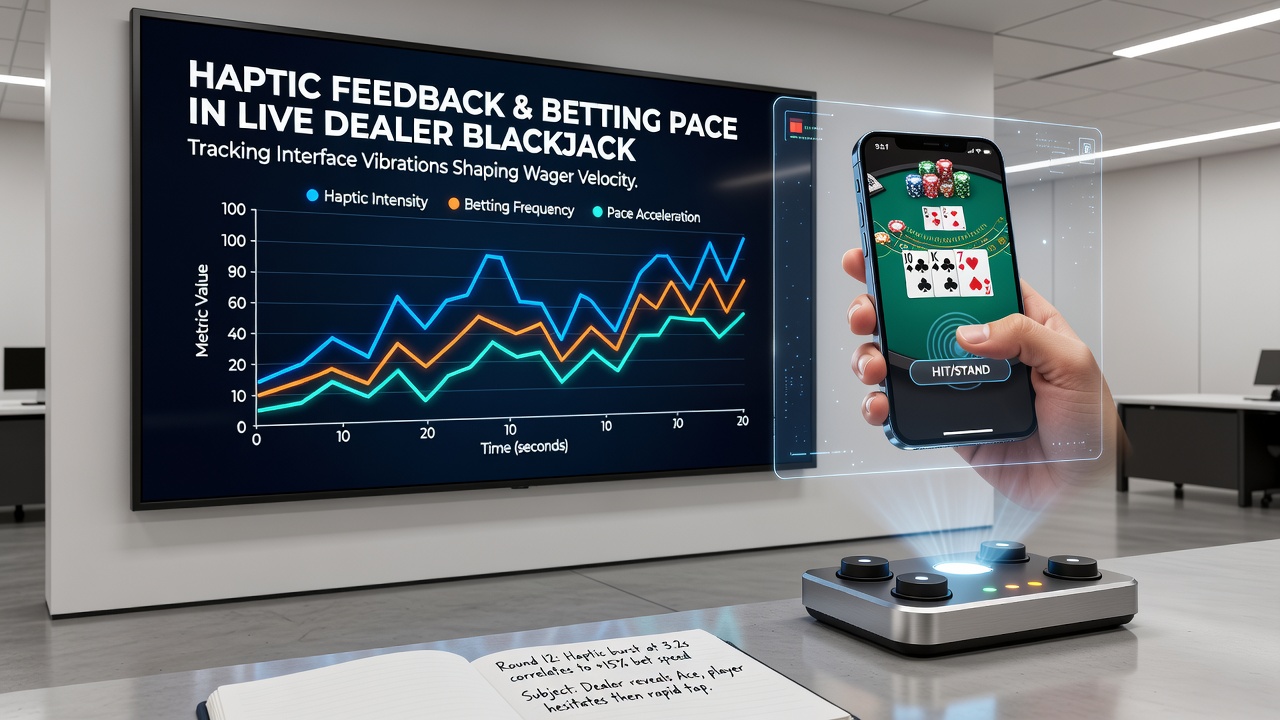
Analysis of app telemetry from regulated environments shows variations in the time between consecutive wagers when haptic feedback activates at different thresholds. Research indicates that intervals shorten in sequences where vibrations align with quick dealer reveals, yet they extend during moments of decision prompts accompanied by stronger pulses. A report compiled by researchers at a Canadian academic center highlights correlations between feedback frequency and the number of hands completed within fixed time windows on wireless connections.
Those who examine aggregated logs across operator platforms observe that certain vibration patterns coincide with accelerated betting cycles, while others align with more measured pacing during high-stakes rounds. The data collection occurs through secure channels that comply with oversight requirements, and the resulting datasets allow for comparisons across different regulatory jurisdictions in North America and Europe.
Regulatory Frameworks and Interface Standards
Authorities in multiple regions establish guidelines that address how tactile elements function within live dealer environments, and compliance documentation outlines requirements for consistent delivery of feedback signals. The New Jersey Division of Gaming Enforcement maintains records that track interface modifications and their effects on session metrics, whereas similar bodies in Australia collect parallel information on mobile platform performance. Operators implement these standards through software updates that preserve the core mechanics of blackjack while refining the haptic layer.
Testing protocols require verification that vibrations do not interfere with fair play indicators or create unintended delays in wager processing. Data compiled by oversight groups demonstrates that approved configurations maintain stable betting paces across extended play periods on wireless networks.
Comparative Observations Across Device Types
Users on tablet devices experience haptic patterns that differ in duration and strength from those delivered on smaller phone screens, and platform analytics capture these distinctions during live dealer sessions. Research teams that review cross-device datasets note shifts in average time per round when feedback intensity scales with screen size. The variations appear in both standard and premium table offerings where regulated operators host multiple simultaneous blackjack games.
Network conditions influence how reliably the signals transmit, and logs from wireless carriers show occasional adjustments in feedback timing during peak usage periods. Those who study these interactions point to the role of app optimization in preserving the intended pacing effects regardless of connection quality.
Conclusion
Tracking systems applied to regulated wireless platforms continue to document the relationship between haptic feedback and betting intervals in live dealer blackjack. The collected information from academic sources, regulatory records, and operator telemetry supports ongoing refinements to interface design. Patterns identified through these methods provide a basis for understanding how tactile elements integrate with real-time gameplay across diverse device ecosystems and jurisdictions.